
Choosing the Right Roofing Material
Choosing a roofing material is one of those decisions most people only face a few times in their lives, but it has consequences that last for decades. The roof you pick will determine how your home or building handles winter storms, summer heat, high winds and everyday wear. In West Virginia and the surrounding region, where weather can swing from heavy rain to deep freezes in the span of a few weeks, those choices matter. Different materials offer different levels of durability, maintenance needs and curb appeal, and they don’t all perform the same way once they’re exposed to mountain weather year after year.
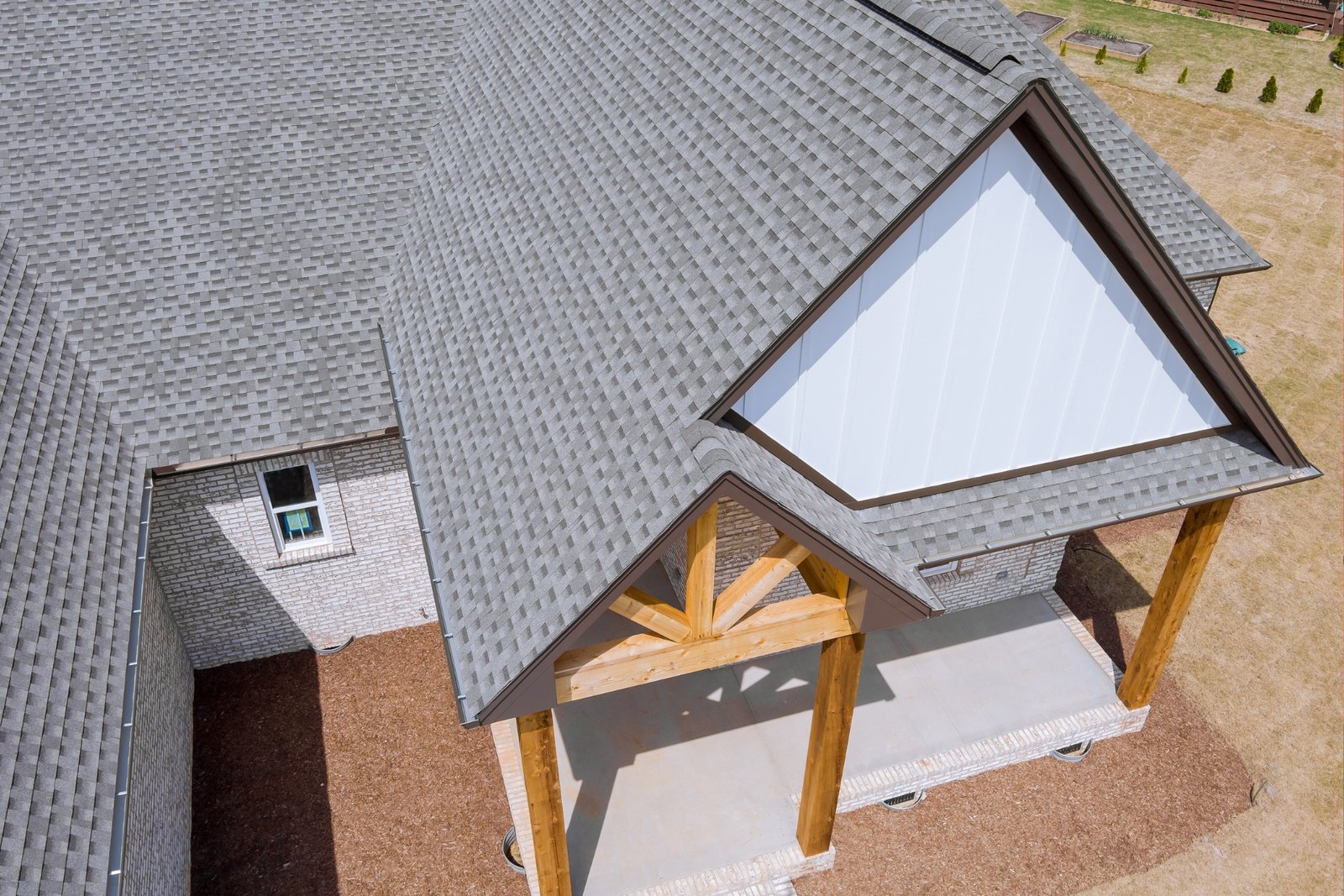
For most homeowners, asphalt shingles are the starting point. They’re the familiar, layered rectangles you see on many single-family homes. Asphalt shingles are popular because they’re relatively affordable, widely available and come in a range of colors and styles. When a shingle roof is installed correctly on a sound structure with proper ventilation, it typically lasts about 20 to 30 years. That lifespan can be shorter if a roof faces repeated high winds, hail or poor drainage. Shingles are also more vulnerable once they start to age; a few lifted or cracked tabs can open the door to leaks during a hard rain or a thaw after a snowstorm. Because asphalt shingles are petroleum-based, they’re not the most environmentally friendly option, but they remain the most common choice for owners who need a dependable roof at a manageable price.
Metal roofing has become more visible on homes and small commercial buildings in recent years, especially in areas that see heavy snow or strong winds. Standing-seam panels and other modern metal systems look cleaner than the old barn style many people picture and can be finished in a variety of colors. A well-installed metal roof can often last 50 years or more, outlasting several generations of shingles. Metal sheds snow and rain quickly, holds up well in high winds and is naturally fire resistant. Many products are designed to reflect heat, which can help keep attic temperatures down in the summer. The tradeoff is cost and complexity. Metal roofs usually cost more upfront than asphalt, and they demand experienced installers. Details around seams, fasteners and flashing have to be handled correctly, or problems can show up later. Without good insulation and underlayment, some owners also notice more noise during heavy rain or hail, though in many modern homes that effect is muted.
Wood shingles and shakes occupy a smaller corner of the market but remain an option for owners who place a high value on appearance. Most are made from cedar, which offers a warm, natural look that fits certain architectural styles. Sawn shingles give a more uniform pattern, while split shakes create a rougher, more textured roofline. Both provide some insulating value and gradually weather to a soft gray. That character comes with higher demands. Wood is sensitive to moisture, mold and insects, particularly on roof sections that stay shaded or damp. Keeping a wood roof in good condition usually means scheduling regular inspections, cleaning off debris and sometimes applying treatments. There are also fire-safety concerns. Unless the material is specially treated, wood is combustible, and some fire-prone or code-restricted areas limit its use. In a climate with frequent freeze–thaw cycles, wood can be harder to keep sound over the long term than more conventional materials.
Clay and concrete tile sit at the premium end for pitched roofs. These rigid tiles can provide a distinctive look and are closely associated with certain styles of homes. When installed properly, tile roofs often last 50 years or longer and are non-combustible, which makes them attractive from a fire-safety standpoint as well. They handle strong sun and heat without much trouble. The challenges are weight and cost. Tile is significantly heavier than shingles or most metal systems, so the underlying structure needs to be evaluated and, in some cases, reinforced before installation. The installed price is higher because it involves more expensive materials and specialized labor. In regions that see hard freezes, another issue is how the tiles handle water that seeps into small voids and freezes. If the tile or the installation isn’t suited to those conditions, cracking can develop over time. Walking on a tile roof can also be difficult without causing damage, so inspections and repairs require more care.
Flat and low-slope roofs call for different materials altogether. On those surfaces, shingles and tile don’t work well, so owners turn to membrane systems like EPDM and modified bitumen. EPDM is a synthetic rubber roofing membrane commonly used on commercial buildings and on flat sections of homes, such as additions or porches. It is typically installed in large sheets that are adhered, ballasted or mechanically fastened to the roof deck. EPDM is flexible, resists ultraviolet light and weathering, and can last several decades when installed and maintained properly. Standard black EPDM absorbs heat, which can raise cooling costs in some buildings, but white or reflective versions and coatings are available when energy performance is a priority. The main weaknesses involve punctures from sharp debris or heavy foot traffic and failures at seams or around penetrations, which is why careful detailing and periodic inspections are important.
Modified bitumen is another common system for low-slope roofs. It builds on traditional asphalt by adding polymers and reinforcements and is usually installed in multiple layers. The result is a tough, multi-ply surface that holds up well in areas where people or equipment are on the roof more often. Modified bitumen has a long track record on commercial buildings, with typical service lives in the 20- to 30-year range when installed correctly. Some versions are applied with open flames, which raises fire-safety concerns during construction, while others rely on cold-applied adhesives or self-adhered sheets. In very cold weather, modified bitumen can be less flexible than rubber-based membranes, but it remains a sturdy option for many flat roofs when detailed and maintained properly.
In the end, there is no single roofing material that is right for every building. Roof pitch, structural capacity, local weather, aesthetics, budget and maintenance tolerance all play a role. Steep roofs tend to favor shingles, metal, wood or tile, while flat and low-slope roofs require membrane systems like EPDM or modified bitumen. Asphalt shingles keep initial costs down but will need to be replaced sooner; metal and tile ask more upfront but can push the next replacement far into the future. Wood offers character but expects more from the owner, and tile brings both longevity and added weight. Owners who know they will struggle to keep up with regular roof maintenance may be better off with simpler, lower-maintenance systems. For homeowners and building owners in this region, the most reliable way to narrow the choice is to combine a basic understanding of the materials with a professional roof assessment. A qualified contractor can look at the structure, the existing roof, the local conditions and the owner’s plans, then recommend a system that fits. A roof is not just a finishing touch; it is a long-term piece of infrastructure, and getting the material right is a key part of protecting everything underneath it.